
1. States Parties recognize the right of persons with disabilities to work, on an equal basis with others; this includes the right to the opportunity to gain a living by work freely chosen or accepted in a labour market and work environment that is open, inclusive and accessible to persons with disabilities. States Parties shall safeguard and promote the realization of the right to work, including for those who acquire a disability during the course of employment, by taking appropriate steps, including through legislation, to, inter alia:
United Nations
a) Prohibit discrimination on the basis of disability with regard to all matters concerning all forms of employment, including conditions of recruitment, hiring and employment, continuance of employment, career advancement and safe and healthy working conditions;
b) Protect the rights of persons with disabilities, on an equal basis with others, to just and favourable conditions of work, including equal opportunities and equal remuneration for work of equal value, safe and healthy working conditions, including protection from harassment, and the redress of grievances;
c) Ensure that persons with disabilities are able to exercise their labour and trade union rights on an equal basis with others;
d) Enable persons with disabilities to have effective access to general technical and vocational guidance programmes, placement services and vocational and continuing training;
e) Promote employment opportunities and career advancement for persons with disabilities in the labour market, as well as assistance in finding, obtaining, maintaining and returning to employment;
f) Promote opportunities for self-employment, entrepreneurship, the development of cooperatives and starting one’s own business;
g) Employ persons with disabilities in the public sector;
h) Promote the employment of persons with disabilities in the private sector through appropriate policies and measures, which may include affirmative action programmes, incentives and other measures;
i) Ensure that reasonable accommodation is provided to persons with disabilities in the workplace;
j) Promote the acquisition by persons with disabilities of work experience in the open labour market;
k) Promote vocational and professional rehabilitation, job retention and return-to-work programmes for persons with disabilities.
2. States Parties shall ensure that persons with disabilities are not held in slavery or in servitude, and are protected, on an equal basis with others, from forced or compulsory labour.
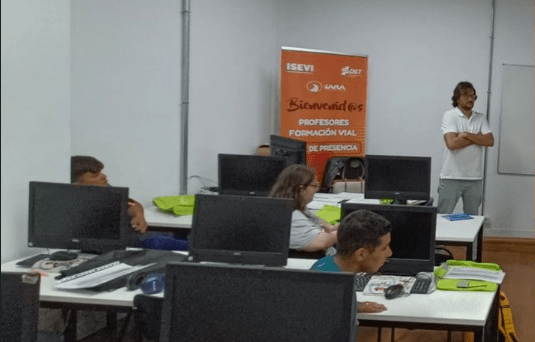
A total of 10 students took part in the initial 45-hour course. All were added to Confluye’s employment pool and continue to receive individual career counseling at the association’s headquarters.
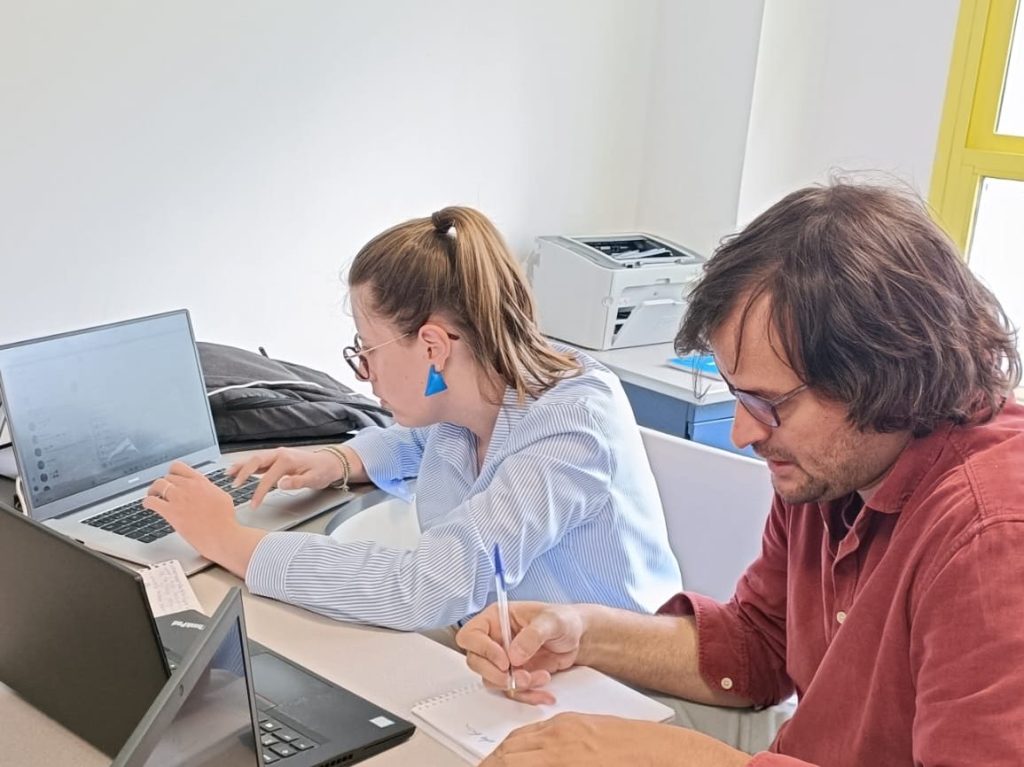
Confluye designs personalized pathways to ensure successful access to the labor market for people with disabilities. The ultimate goal: to reduce support over time until it becomes unnecessary—when the individual has gained sufficient autonomy to address everyday challenges and workplace demands independently.

For many persons with disabilities, especially those with high support needs, employment is only possible if personal assistance is available in the workplace. Although not regulated as a stand-alone right, personal assistance is increasingly recognised as a form of reasonable accommodation, which employers are legally required to provide unless it imposes a disproportionate burden.

The inclusion of people with disabilities in development policies should not be seen as an additional task but as a fundamental element for achieving an equitable and just society for all. A rights-based approach to disability is not a simple undertaking, but it is a necessary path to ensure that no one is left behind.

People with disabilities face a complex reality that affects various aspects of their lives, especially in the realm of employability. Despite legislative and social advances in inclusion, significant barriers still persist, hindering their full participation in society.
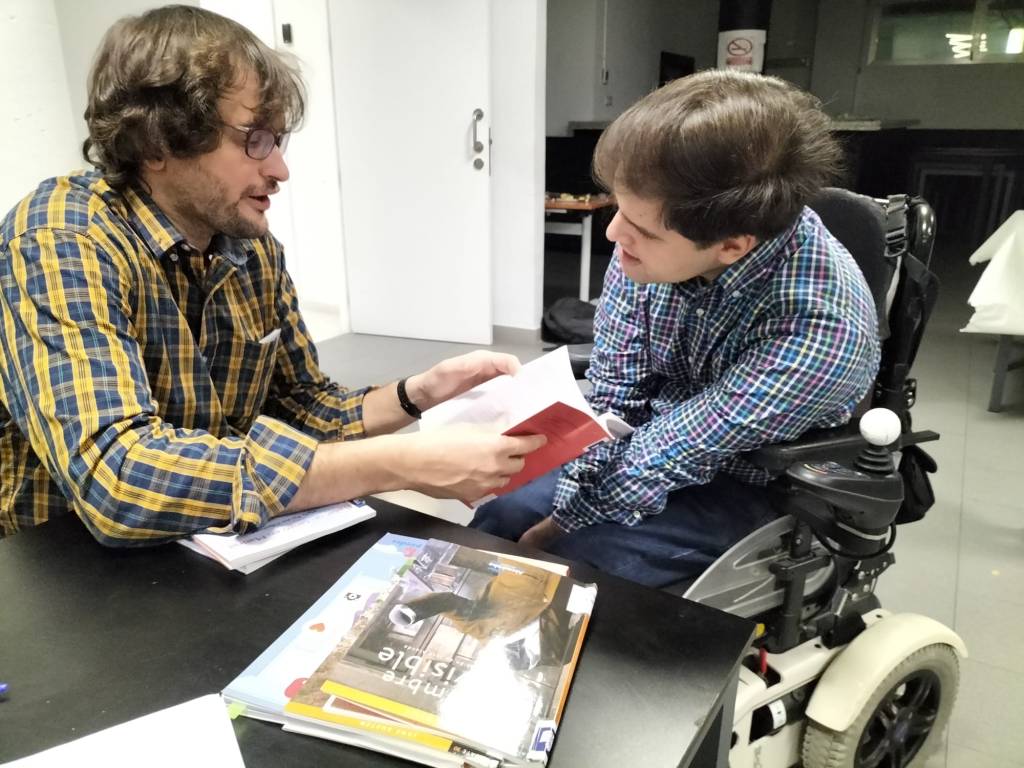
With the necessary support, we are not that different and can lead more normalized lives. We need to say this loudly and often—so that we are heard. People with disabilities do not want others making decisions for us. We want to live independently. We want to say loud and clear: “I decide.”

The European Union is firmly committed to promoting equality and combating discrimination in all its forms. A key priority is ensuring the inclusion of persons with disabilities, recognizing their right to live independently and fully participate in society.
 promotersproject.com